2026 Art Trends: What’s Shaping the Art World This Year
If 2025 was a year of recalibration in the art world, 2026 looks like
the year the market fully embraces a new mood. Buyers are still collecting,
galleries are still selling, and fairs are still thriving, but the motivations
behind art consumption are shifting in a noticeable way. Prestige and
traditional “validation” are no longer the only deciding factors. Instead,
collectors are increasingly drawn to work that feels personal, emotionally
resonant, and rooted in something real.
Across studios, exhibitions, and global art hubs, a clear direction is
emerging: art in 2026 is moving toward deeper connection, greater physical
presence, and a growing appreciation for human craft in a world saturated with
digital imagery.
1. Surreal and dreamlike visuals return, but with
modern meaning
Surrealism is not simply returning as an aesthetic trend, it is evolving
into a contemporary language. In uncertain and fast-moving times, artists are
once again leaning into dreamlike imagery to express emotions that realism
cannot fully capture.
Expect to see more artworks built around “dream logic,” where scenes
feel symbolic rather than literal. Strange compositions, distorted bodies,
hybrid creatures, psychological narratives, and fantastical environments are
all gaining visibility. For collectors, this kind of work is compelling because
it offers multiple layers: it’s visually striking at first glance, but rewards
deeper interpretation over time.
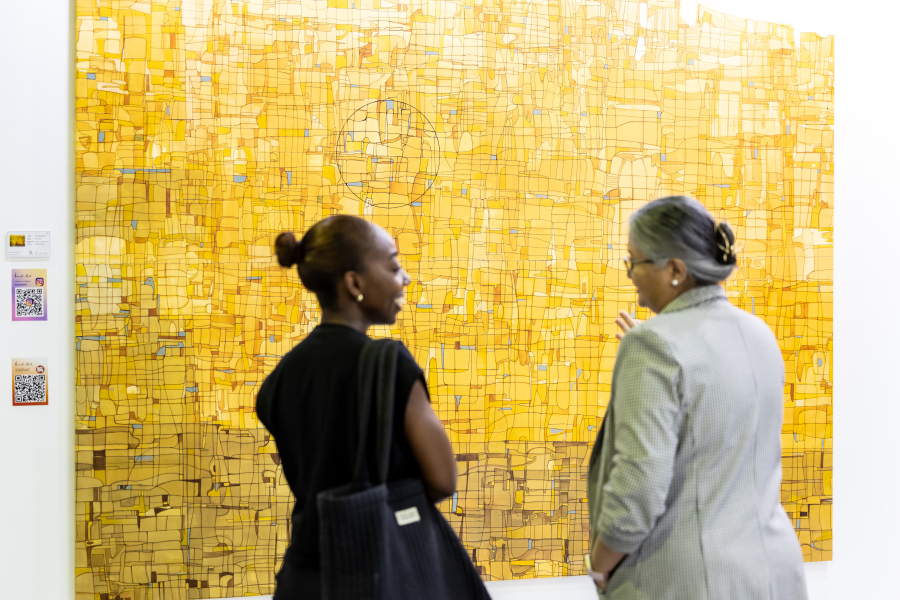
2. Fragmented collage and art that shows its seams
Collage and fragmentation are taking on sharper, more deliberate forms
in 2026. Instead of seamless blending, many artists are leaning into visible
construction. Cut lines, breaks, layered planes, and segmented compositions
become part of the message.
The “seam” becomes the focal point: the place where the hand takes
control and refuses illusion. These intentional ruptures resonate in a time
where images are increasingly automated and polished.
Collectors are drawn to this raw construction because it feels real. It
holds evidence of decision-making, labour, and human interruption.
3. Big, immersive art that transforms spaces
One of the strongest visual trends for 2026 is a return to scale. After
years of seeing art primarily through screens, collectors are leaning toward
pieces that demand real-world attention. These are works that do not simply
“match a wall,” but actively change the feeling of a room.
Large paintings, textile-based works, sculptural forms, and even
installation-like pieces are increasingly valued because they create an
atmosphere. This shift reflects a desire for art to become an experience in
itself, not just something to scroll past or consume like content. In 2026, art
buyers want pieces that feel like a physical presence.
4. Digital art stays relevant (and more normalised)
While the NFT frenzy has cooled compared to earlier hype cycles, digital
and new-media art is becoming more integrated into the mainstream market. In
2026, digital art is less of a novelty and more of a recognised collecting
category alongside painting and sculpture.
As major fairs expand their digital sections and buyers become more
familiar with how new media fits into a collection, expect digital work to
remain present, not as a trend, but as a permanent part of the ecosystem.
5. Nature-first aesthetics and biophilic mixed
media
As daily life becomes more screen-heavy and technology-driven, many
artists and audiences are craving a return to something more natural and
grounded. In 2026, this desire is showing up strongly in artworks inspired by
the organic world, through earthy palettes, nature-based textures, and
materials that feel tactile and raw.
Often referred to as biophilic art, this trend draws from natural forms
and environmental elements to create a sense of calm, reflection, and emotional
breathing space. It also reflects rising awareness around sustainability and
the climate conversation, as creators respond to the need for balance between
modern living and the living world.
Rather than being purely decorative, nature-first art in 2026 offers a
quiet kind of restoration, inviting viewers to slow down, reconnect, and feel
rooted again.
6. Punk-grunge aesthetics and the return of visual “roughness”
2026 is also seeing a return to art that feels gritty and disruptive,
almost like a protest against the sleekness of digital culture. Punk and
grunge-inspired visual language is becoming more noticeable through distressed
surfaces, torn edges, raw typography, layered materials, and compositions that
feel intentionally chaotic.
Rather than being purely stylistic, this trend reads like a statement:
embracing disorder and friction in a world obsessed with clean, frictionless
visuals. Work in this space often foregrounds process, abrasion, fragmentation,
and urgency.
Collectors are paying attention because this kind of art does not try to
be “easy.” It refuses to be smooth. And that refusal itself feels powerful
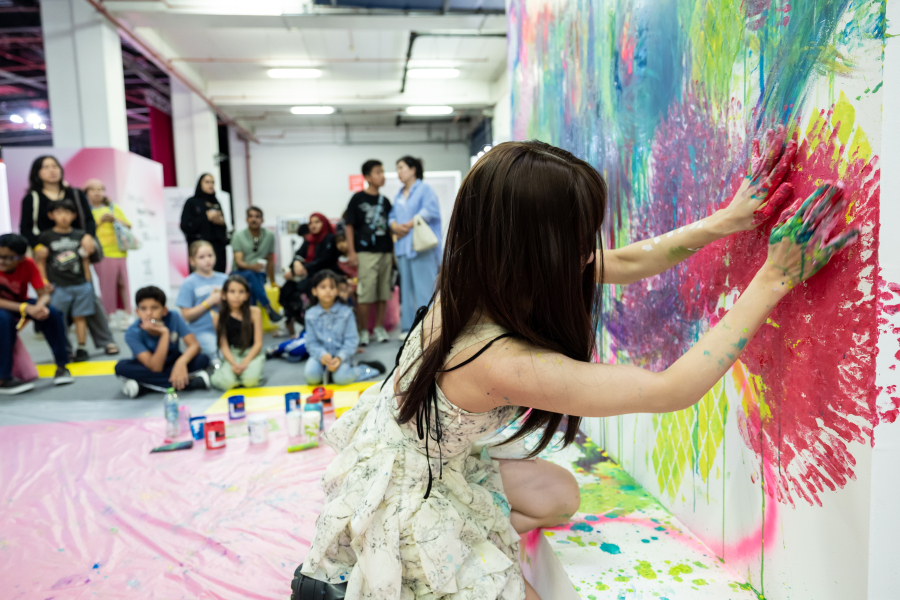
7. Immersive experiences: art beyond the frame
Immersive art is no longer seen as a passing trend. In 2026, it is
becoming a core part of how audiences experience contemporary art. Instead of
simply viewing a piece from a distance, visitors are increasingly stepping into
environments designed to surround them through light, sound, projection, and
interactive elements.
These multi-sensory experiences blur the line between the artwork and
the viewer. Rather than being passive observers, audiences are invited to
engage, move through the space, and feel the work unfold around them. The
exhibition becomes less about a single object and more about an emotional
atmosphere.
By turning entire rooms into storytelling spaces, immersive art reshapes
the relationship between creators and viewers, making art something that is not
only seen, but physically lived.
Taken together, these 2026 art trends point to a clear cultural shift:
contemporary art is moving away from what feels overly polished, purely
decorative, or driven by status, and toward what feels human, immersive, and
emotionally honest. Collectors and audiences are not just looking for work that
is visually impressive, but for art that carries presence, process, and
meaning.
Whether it is the return of surreal “dream logic,” the raw disruption of
punk-grunge aesthetics, or collage that proudly shows its seams, many of
today’s most compelling works are defined by imperfection and individuality. At
the same time, large-scale installations and immersive experiences reflect a
desire for art that can be felt physically, not just viewed on a screen. Even
the rise of nature-first, biophilic mixed media suggests the same underlying
craving: a return to groundedness, texture, and connection in an increasingly
digital world.
Ultimately, 2026 is shaping up to be a year where authenticity becomes
the defining luxury. The most valued works are those that feel personal,
immersive, and unmistakably crafted, proving that in a fast, filtered, and
automated era, the strongest art is the kind that reminds us what it means to
be human.
Shreya Alagramam from Artezaar.com Online Art Gallery