A New Encyclopedia of Arab Artists To Add to Your Bookshelf

A new tome published by Thames & Hudson provides an enlightening glimpse into the creative perspectives rooted in the Arab region. Spanning from Morocco in the west to Iran in the east, Artists of the Middle East: 1900 to Now compiles an A-to-Z list of names to know in the art world, along with brief biographies and photos of their most famous work.
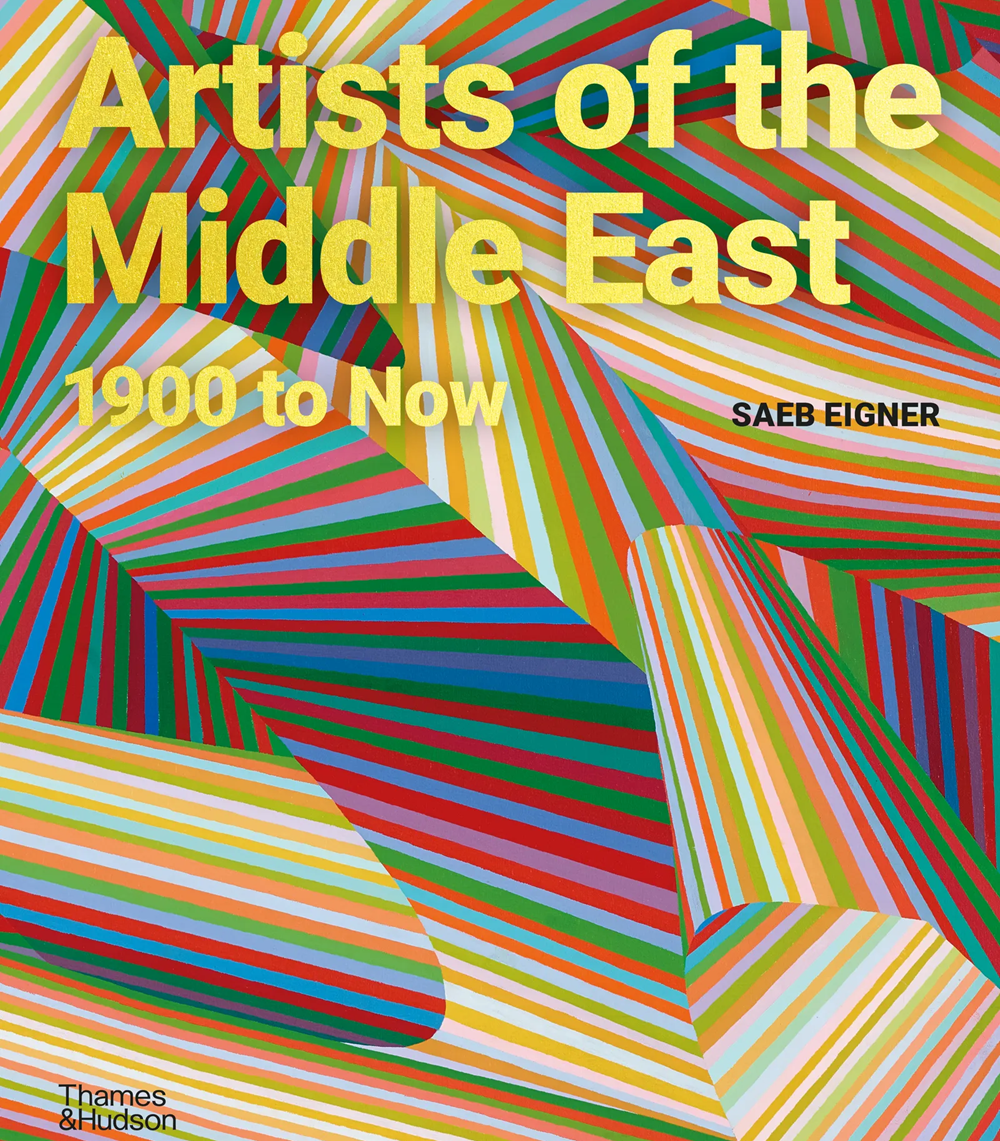
Photo: Thames & Hudson / Samia Halaby Studio
“Covering 22 countries, it highlights major art movements, evolving cultural themes, and the important role gender has played in shaping artistic voices,” shares author Saeb Eigner, a specialist in Arab art and culture based in London. He uncovers the diversity of the region and its plethora of creative influences, examining how culture and heritage are woven into art from the last century. Shirin Neshat, Inji Efflatoun, Saloua Raouda Choucair and Samia Halaby are just some of the female Arabs featured in the new tome.
"For a long time, many Middle Eastern artists were left out of the bigger picture when it came to global art history," reflects Eigner. "But that’s been changing in recent years. More and more scholarly publications are turning their attention to the region, including major catalogue raisonnés on important figures like Dia Al-Azzawi, Mahmoud Said, Abdel Hadi Al Gazzar, and Jewad Selim."
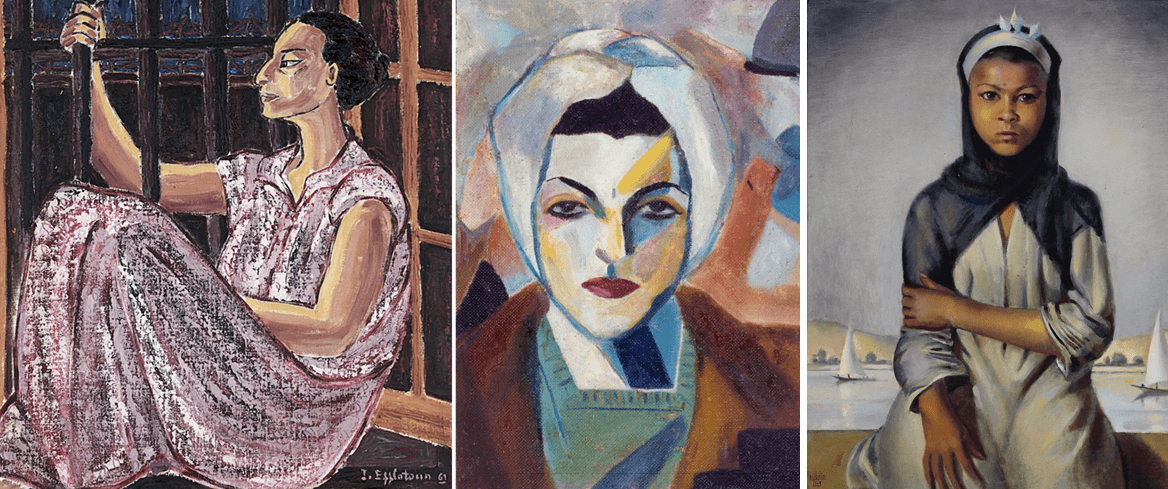
Photo 1: Dreams of the Detainee, Inji Efflatoun, 1961. Courtesy of Barjeel Art Foundation, Sharjah
Photo 2: Self-Portrait, Saloua Raouda Choucair, 1943. Courtesy of Saloua Raouda Choucair Foundation, Lebanon
Photo 3: La Petite fille d'Assiout by Mahmoud Said, 1945. Courtesy of Christie's Images Ltd
The Saudi art scene in particular, is thriving – naming pioneering figures like Abdulhalim Radwi and contemporary voices like Ahmed Matar, Eigner says that creatives from the kingdom have laid the groundwork for future generations, through aesthetics intrinsically rooted in the culture. “This may manifest through the use of Arabic script, storytelling traditions, depictions of native landscapes or references to the holy city of Mecca,” he explains.
Besides being an obvious addition to the coffee tables of art connoisseurs, Eigner emphasises that the book serves as an illuminating introduction to art from the region: “It’s filled with illustrations to draw readers in and inspire anyone who might be discovering this art for the first time.”
Vogue Arabia